



Transformation leader's view
Questions transformation leaders ask about courage and change
Why do organisational transformations really fail?
Rarely on strategy — mostly on silence. The most consistent pattern in failed transformations is that the critical information existed inside the organisation months before the failure: known by multiple people, raised by none. This is the courage gap — the distance between what people know and what they say — and it is why roughly 70% of transformations miss their goals.
What is “watermelon reporting” and how do we stop it?
Watermelon reporting is status that is green on the outside and red on the inside — optimistic dashboards concealing known problems. It is not a reporting-process failure; it is a courage failure: people have calculated that surfacing bad news costs more than concealing it. It stops when leadership changes that calculation — visibly, starting with how the first truth-teller is treated.
How does courage accelerate a transformation?
Courage is speed. When problems surface in the steering committee instead of after the milestone, decision cycles shorten and rework collapses. Deloitte research found teams where the full range of voices is expressed decide 20% faster; McKinsey’s organisational health work links top-quartile leadership environments to ≈3× shareholder return. Courage is the transformation’s information infrastructure.
How do we find out where truth is being withheld in our transformation?
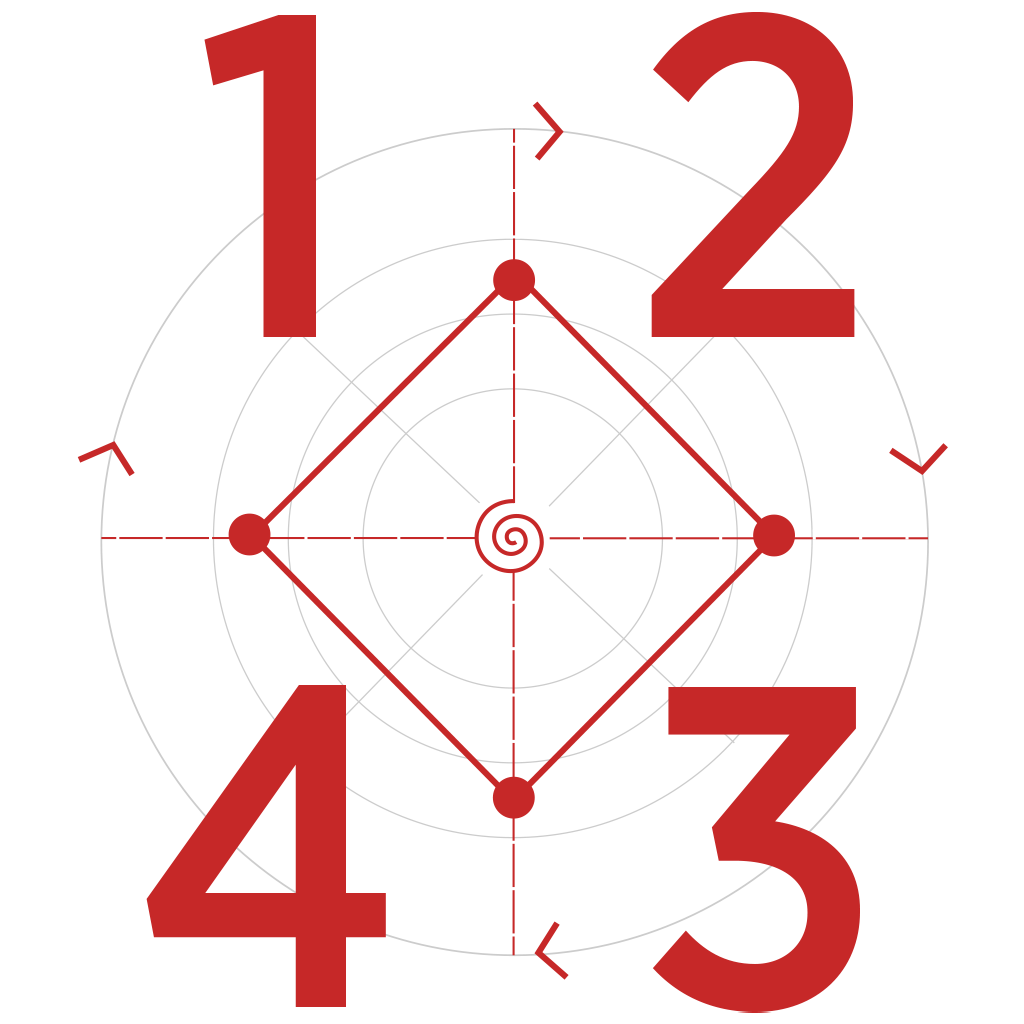
The Organisational Courage Audit, scoped to your transformation: a systemic diagnostic across the Four Steps of Courage (Step Up, Step In, Step Forward, Step Together), completed by the leadership layers carrying the change. It produces a baseline, a heat map of where the courage gap is concentrated, and a board-ready briefing — typically within weeks.
What is the fastest intervention for a transformation leadership team?
The Courage Catalyst — a one-day, in-person workshop (8–24 participants) run with your transformation leadership team, anchored to the live decisions and unsaid truths of your actual programme. Each leader leaves with four concrete commitments and the team leaves with a shared Courage Map and vocabulary. It runs inside your governance rhythm, not beside it.
How do we unfreeze the “frozen middle” during change?
Middle managers neutralise change when speaking costs more than complying. The Team Courage Sprint (90 days) works cohort by cohort through that layer: team assessment, a one-day workshop, and facilitated sessions built around the real decisions each team currently faces — building the shared norm that makes hard truths safe to name and act on.
How does courage work complement our change management methodology?
As the behavioural layer under it. Your methodology governs plan, communication and adoption mechanics; courage work changes what people are willing to say and do inside those mechanics. It requires no new governance: the diagnostic feeds your baseline, the workshop slots into existing leadership events, and practice structures ride existing meeting rhythms.
Can we measure whether the courage gap is closing during the programme?
Yes. The audit provides the baseline; movement is re-measured on the same instrument and triangulated with operational signals: time-to-surface for problems, steering-committee dissent rates, adoption versus compliance metrics, and pulse items on “what would you not say here”. The Courage Index provides external benchmarking.
What role does the transformation sponsor play?
The sponsor sets the price of truth. If the first person to name a real problem is thanked and the problem is acted on, the calculation changes for everyone watching. The programme is therefore designed top-down: sponsor and steering committee experience the Catalyst first, before it cascades — leaders go first, or it doesn’t work.
How quickly can this start inside a live transformation?
Diagnostic in week one or two; the Courage Catalyst day with the transformation leadership team within the month; sprint cohorts thereafter. Because everything is anchored to your live programme content, there is no ramp-up curriculum — the work starts on the truths your transformation needs surfaced now.